


Polaris Market Research has reported that the global insect pest control market is on a steady growth trajectory, valued at $14. 5 billion (£10.6bn)in 2025 and projected to climb to $22.58bn (£16.6bn) by 2034, expanding at a compound annual growth rate (CAGR) of 5.1% between 2026 and 2034.
Prajwal Agale, senior researcher at Polaris Market Research, said: “Rising economic activity, expanding residential and commercial real estate, and mounting climate-driven insect pressure are combining to push demand for both traditional chemical treatments and next-generation biological alternatives.”
What’s fuelling the market
Insect pest control encompasses the chemical, physical, and biological techniques used to protect people, crops, food, and property from damaging insects.
Mr Agale said: “Climate change is emerging as an unexpected but significant demand driver: the World Health Organization projects that warming temperatures could raise fly populations by 244% by 2080, a shift expected to intensify fly-borne disease risk and, in turn, pest management demand.
“Rising dengue cases across Southeast Asia and heightened hygiene awareness stemming from the COVID-19 pandemic have further accelerated adoption of professional pest regulator services.”
Regulatory pressure is also reshaping the competitive landscape.
“Stricter sanitation mandates in commercial and industrial settings, combined with a global push toward reduced pesticide resistance, are compelling operators to diversify their toolkits,’ Mr Agale said.
“At the same time, the market faces headwinds from tightening environmental regulations on chemical formulations and growing pest resistance to conventional active ingredients pressures that are accelerating a shift toward biological control methods.”
Bed Bugs lead by insect type
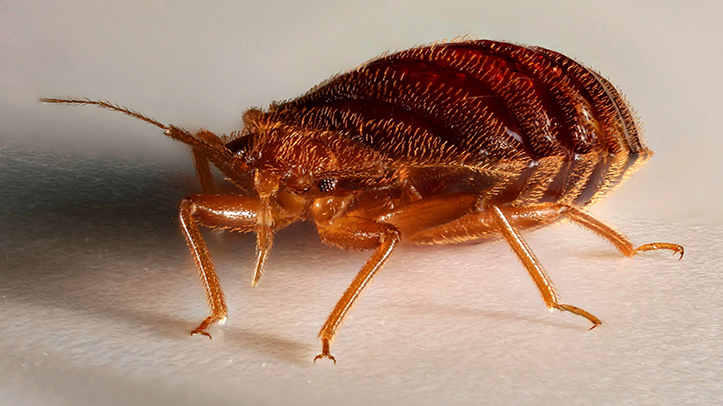
By insect type, bed bugs held the largest revenue share in 2025 at 15.39%, driven by a wave of infestations linked to allergic reactions, blood loss, and secondary infections.
Data cited from the National Pest Management Association showed that 97% of US pest professionals have treated bed bugs, with infestations reported across apartments, hotels, college dorms, hospitals, and nursing homes underscoring how widespread and persistent the problem has become.
“Termites are expected to post the fastest growth of any insect segment going forward, as their capacity to damage wood structures and trigger mould-related air quality issues keeps demand elevated,” Mr Agale said.
AI and IoT are reshaping pest management
In its report, Polaris Market Research said that one of the more notable shifts in the industry is the growing role of artificial intelligence.
“AI-enabled sensors and image analysis now support early detection of pest activity, while predictive analytics help farmers and pest management firms target interventions more precisely reducing chemical use and improving response times,” Mr Agale said.
“This is feeding a broader trend toward subscription-based monitoring services, where pest control shifts from one-time treatments to continuous, data-driven oversight, creating recurring revenue streams for providers willing to invest in smart infrastructure.”
Looking ahead
The insect pest control market’s path to 2034 will likely be defined by the convergence of biological innovation, digital monitoring, and regulatory realignment.
Integrated Pest Management (IPM) programs combining chemical, biological, and cultural methods are expected to become standard practice as sustainability mandates and ESG reporting requirements tighten.
“Meanwhile, climate-driven range expansion of pests into temperate regions is expected to widen the addressable market geographically,” Mr Agale said.
“Companies that can pair effective biological formulations with AI-powered monitoring and subscription-based service models are best positioned to capture share as the industry shifts away from reactive, chemical-only treatment toward predictive, sustainable pest management.”