


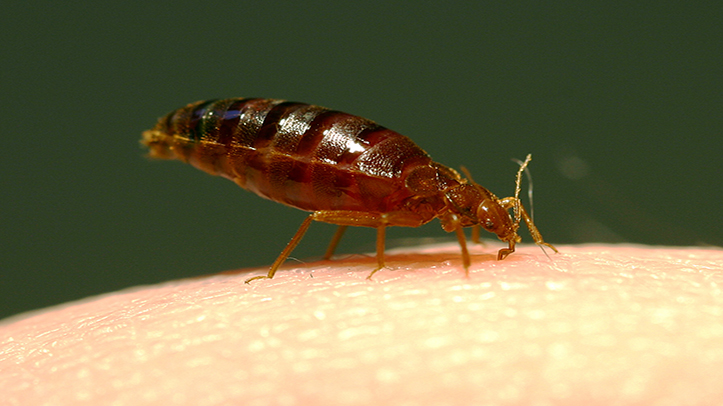
As temperatures drop and many people use electric blankets to stay warm, experts are warning of an unexpected side effect, a rise in bed bug activity.
The combination of heated bedding and cosy indoor environments is creating ideal conditions for the pests to thrive, with more households reporting signs of bites, itching and unwelcome visitors hiding in mattresses and soft furnishings.
With Brits relying on electric blankets more than ever, James Rhoades, from heat treatment specialists, ThermoPest, is urging homeowners to stay vigilant and take simple steps to prevent a potential infestation from taking hold.
“Bed bugs are drawn to warmth and carbon dioxide – often more present in warmer, less ventilated homes – as both signal ideal conditions that help them reproduce and survive,” Mr Rhoades said.
“During colder spells, bed bugs slow down and often slip into a semi-dormant state. But once the temperature rises, thanks to a heated room or warm bedding, they begin feeding again.
“Warmer surroundings also speeds up their metabolism, helping them lay eggs faster and move around more frequently.”
Mr Rhoades continued: “This increased activity makes them easier to notice. Items like electric blankets and hot water bottles can create just the right conditions for bed bugs to emerge, and you might spot them crawling across seams or leaving visible signs behind.
“Other items such as heated throws, mattress pads, duvets, and pillows can provide cosy creases and folds where bed bugs may hide if an infestation is already in the home.
“While the warmth doesn’t attract new pests, it helps expose the ones that were out of sight.”
“For items that can’t be machine-washed, such as electric blankets, check the care label and clean according to manufacturer guidance.
“If you do have a bed bug infestation, professional heat treatments are a safe, chemical-free way to eradicate bed bugs without introducing toxins and chemicals into your home.
“Unlike chemical treatments, which can sometimes miss hidden pests, or even develop immunity with bedbugs, heat penetrates deep into fabrics and fibres, destroying the unwanted pests quickly.
“By understanding how warmth affects bed bugs and knowing the signs to look out for, we can continue to enjoy the comfort of winter bedding while staying alert to any hidden issues.”