


Farmers are being urged to check buildings for rodents after unusually high activity was reported on UK farms earlier than usual this autumn.
“There are significantly more rats on farm than we would usually see at this time of year,” said Dave Reece, director at Oakwood Farm Services.
“Numbers usually start to rise in early November, but we started seeing very high numbers in September.
“It’s come as a surprise, as the dry summer will have made it difficult for rodents to access water. However, it’s possible that the earlier harvest may have encouraged them into sheds ahead of schedule.”
Mr Reece warned that rodent pressure could increase as winter approaches, putting stored grain, feed and farm infrastructure at risk.
“Numbers can increase rapidly at this time of year, leading to contaminated grain and feed, the spread of disease and damage to wiring, cables and pipes on machinery,” he said.
He recommends checking areas where rodents are likely to be active, including straw and haylage bales, silage pits and around water troughs.
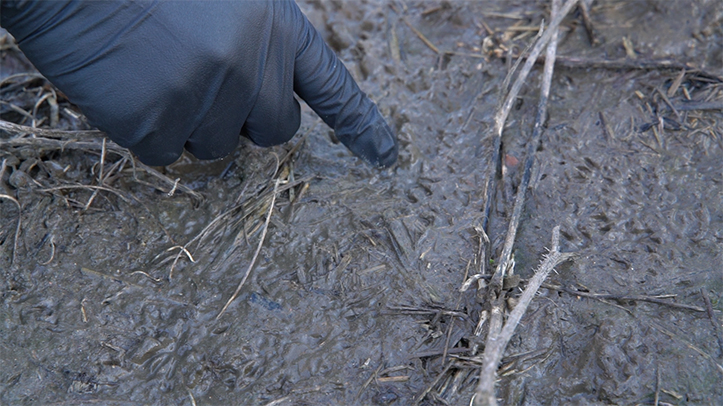
“Early warning signs include droppings and fresh holes where rats have been digging. When rodent numbers are high, you might also see chewing damage or spot the rodents themselves,” he said.
Regular monitoring is essential, even when there are no obvious signs of infestation, with Mr Reece recommending the use of monitoring stations in locations where rodents have previously been found.
He advised checking monitoring stations every two to four weeks at this time of year, increasing to every three to four days when activity is detected.
Farmers should also take steps to prevent rodents entering buildings, including repairing holes, checking that shed doors fit properly and cutting back vegetation around buildings.
Where activity is detected, Mr Reece recommended acting quickly and assessing the most appropriate control method before populations become established.
“Rats and mice can be wary of unfamiliar food sources, making baiting more challenging. We recommend placing monitoring bait stations to identify spots where rodents will eat, then swap the feed for rodenticide.”
He said the choice of bait should reflect the severity of the infestation and the risks to non-target wildlife, with options including difenacoum-based products such as the Lodi Ruby range, brodifacoum-based products such as Sapphire, and Harmonix, which contains cholecalciferol.
Farmers using rodenticides must follow product labels and responsible-use guidance to minimise risks to wildlife and other non-target species.
Mr Reece has also reminded farmers that changes introduced in January 2026 mean purchasers of professional-use rodenticides must provide evidence of appropriate training or certification in line with the current requirements.