


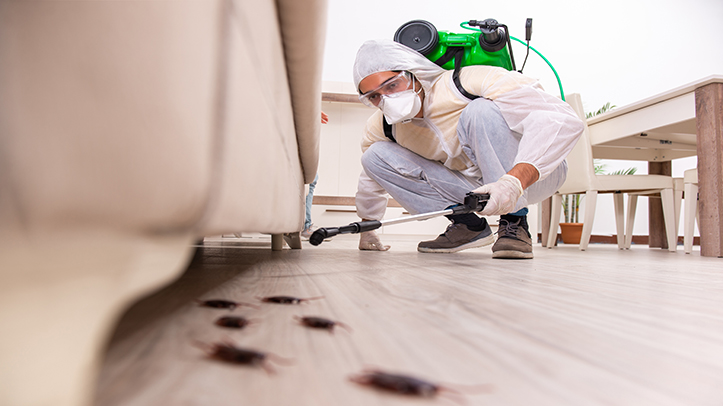
NPTA said the latest findings from the Housing Ombudsman regarding pest infestations in social housing should serve as an important wake-up call for the housing sector.
In its report, the Ombudsman identified significant learning opportunities for landlords following investigations into cases where residents experienced ongoing pest issues, highlighting the need for earlier intervention, better communication and a more joined-up approach to managing housing hazards.
For those of us working within the pest management profession, these findings reinforce something we have long understood. Pest infestations rarely occur in isolation.
Rodents, insects and other pests often thrive where there are underlying issues such as structural defects, poor waste management, water ingress, damaged drainage systems, or delays in maintenance and repairs. Treating the immediate pest issue without addressing the root cause may provide temporary relief, but it rarely delivers a sustainable solution.
The findings also come at a time when social landlords are adapting to the requirements of Awaab’s Law. The legislation has fundamentally changed expectations around how housing hazards are managed, placing greater emphasis on prompt action, effective communication and protecting residents from harm.
Whilst Awaab’s Law initially focused on damp and mould, its phased implementation is broadening the approach to housing hazards and reinforces an important principle: issues that affect the health and wellbeing of residents should never be viewed in isolation.
The pest control and hygiene hazards part of Awaab’’s Law will become enforceable in October this year as part of Phase 2. This will mean that social landlords are legally required to investigate and resolve severe pest infestations within the same strict, time-bound deadlines as damp and mould.
Pest activity can be both a symptom and a contributing factor to poor living conditions. Persistent infestations can have significant impacts on physical health, mental wellbeing and quality of life. They can also indicate wider environmental or structural issues that require intervention from housing providers.
Professional pest controllers therefore have a critical role to play. Modern pest management is about far more than treatment alone.
Competent pest professionals provide:
- Expert identification of the factors contributing to pest activity;
- Recommendations on proofing, prevention and environmental improvements;
- Advice on waste management and housekeeping practices;
- Risk assessments and public health guidance; and
- Monitoring and long-term management strategies designed to prevent recurrence.
The pest management industry has an opportunity to support housing providers in moving away from reactive responses and towards preventative, evidence-based approaches that protect residents and improve housing standards.
Kevin Lawrenson, NPTA chief executive, said: “At the NPTA, we believe professional pest management should be recognised as an essential component of maintaining safe, healthy and compliant homes.
“By working collaboratively with landlords, housing associations and policymakers, competent pest professionals can help identify risks early, address root causes and prevent issues from escalating into the types of cases now being highlighted by the Housing Ombudsman.
“The Housing Ombudsman’s report provides valuable learning for the sector. The challenge now is to ensure that pest management is not viewed as an isolated service but as an integral part of safeguarding public health, supporting compliance with Awaab’s Law and delivering better outcomes for residents.”
A Call for Action
The Housing Ombudsman’s findings and the continued implementation of Awaab’s Law present an opportunity for housing providers and the pest management profession to work more closely together than ever before.
NPTA is calling for:
- Professional pest management to be recognised as an essential component of housing safety and public health strategies;
- Earlier engagement with competent pest control professionals when infestations are reported, ensuring root causes are identified and addressed promptly;
- Stronger collaboration between housing providers, environmental health teams and pest management professionals to develop preventative approaches rather than relying solely on reactive treatments;
- Greater awareness of the links between pest activity, property condition and resident wellbeing, helping to prevent issues from escalating into serious complaints and avoidable harm; and
- The development of clear best practice guidance for housing providers on the management of pest issues within social housing.
Read the Housing Ombudsman’s report, by clicking here.