

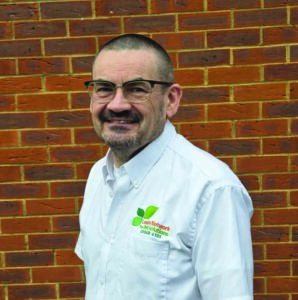
Paul Cooper, managing director of London Network for Pest Solutions (LNPS), says that when most people think of pest control, they imagine technicians responding to infestations, laying bait and returning when the problem inevitably comes back. However, that model has never sat comfortably. Instead, he believes the industry’s future lies in preventing infestations before they happen
The best pest control job is the one you never have to do again.
We’ve always believed that if we’re doing our job properly, our customers should need us less, not more.
That might sound like an unusual business model, but it’s one that’s helped us build stronger relationships with our customers and grow a successful business.
Founded in 2017 with six employees and a £37,500 start-up loan, LNPS has grown into one of London’s leading specialist pest management companies, employing 30 people and achieving annual turnover of more than £2.1 million.
The company’s success isn’t simply about growth. Our purpose has always been bigger than pest control.
We’re improving public health, protecting vulnerable residents and making homes safer. Commercial success follows when you focus on solving people’s problems.
CHALLENGING INDUSTRY THINKING
The turning point came after analysing years of contract data from local authorities and housing associations.
We kept seeing the same properties coming back with the same infestations.
Most companies simply accept that as repeat business. We didn’t.”
Instead, LNPS began asking a different question. What if we stopped pests getting into the property in the first place?
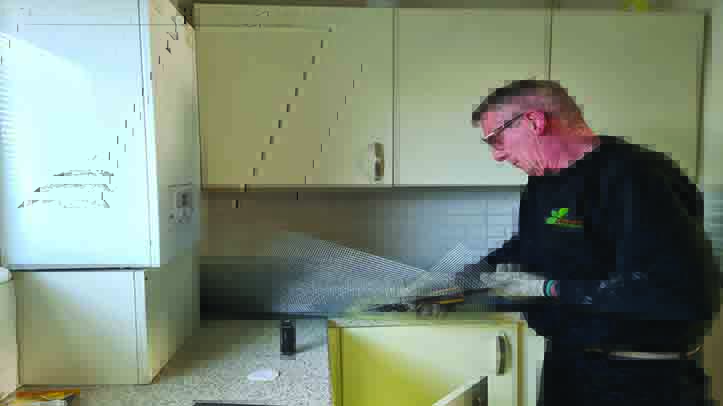
That thinking led to the creation of Proactive Pest Proofing (PPP), a service dedicated to identifying and permanently sealing pest entry points.
Today, we believe that LNPS is the only pest control company in the UK with a dedicated proofing team focused entirely on prevention. It completely changes the conversation. Instead of treating symptoms, we’re solving the underlying problem.
Using Rodent Barrier, proofing mesh, sealants and construction techniques, the team prevents pests from entering buildings in the first place.
The results speak for themselves. Between 2022 and 2024, cases requiring more than 10 visits reduced from 1.3% to just 0.1%, while response times within five days increased to an impressive 98.8%.
For customers, that means fewer disruptions, healthier living conditions and greater peace of mind. It also means we’re using fewer rodenticides and pesticides: that’s better for residents, better for wildlife and the environment.
ISN’T PREVENTION BAD FOR BUSINESS?
At first glance, permanently solving pest problems sounds like a risky commercial decision. Surely fewer infestations mean less work?
It’s a question we’re asked quite a lot.
The reality is that customers remember the companies that genuinely solve their problems. Housing providers and local authorities don’t want contractors creating dependency. They want partners they can trust.
That trust has fuelled growth. The proofing division now generates around £300,000 annually while strengthening long-term customer relationships and helping differentiate LNPS in an increasingly competitive market. Purpose and profit aren’t opposites: purpose is actually what drives sustainable profit.
MORE THAN PEST CONTROL
While prevention sits at the heart of LNPS, the company’s wider mission extends well beyond pest management.
Many of the people its teams support are elderly, vulnerable or living in difficult circumstances.
When you’re helping someone who’s been living with a serious infestation for months, you’re not just removing pests, you’re restoring confidence, dignity and quality of life.
That philosophy has also shaped the company’s investment in its own people. Employees receive above-industry salaries, quality equipment, opportunities for progression and specialist training in proofing and environmental services.
Our technicians know they’re making a genuine difference. That gives people enormous pride in what they do.
KNOWING WHEN NOT TO TREAT
Perhaps the clearest example of LNPS’s values came from a job that never became a pest control treatment. Earlier this year, St Luke’s CEVA Primary School in Newham contacted the company believing it had a wasp infestation.
Regional manager Mike Bailes quickly identified the insects as harmless masonry bees. Rather than recommending treatment, LNPS advised the school on how to safely protect both pupils and the bees.
We could easily have treated them; instead, we explained they weren’t pests at all – they were important pollinators.
The company installed bee hotels and worked with the school to educate pupils about biodiversity, inspiring the wider Bee Kind campaign across the borough.
There wasn’t a commercial return, but it was absolutely the right thing to do. It’s a perfect example of what purpose means to us. Sometimes the best service you can provide is choosing not to sell one.
LOOKING AHEAD
As the pest management industry increasingly embraces Integrated Pest Management (IPM), sustainability and prevention, customer expectations are changing too.
People want long-term solutions; they want fewer chemicals, healthier environments and contractors who genuinely care about outcomes.
For LNPS, that represents a significant opportunity – not simply to grow, but to influence the direction of the industry itself.
I’d love to see prevention become the norm across pest control. If more companies focused on permanently solving problems instead of managing repeat infestations, the whole industry would have a stronger reputation.
After all, success should never be measured by how often customers have to call – it should be measured by how many never need to.